
The comb over is one of the most requested haircut styles at any barber shop today. Whether you want something clean and polished or relaxed and modern, the comb over haircut fits men of all ages and hair types. This article walks through every popular comb over style, covers fade options, and tells you exactly how to ask your barber for the right look.
What Is a Comb Over? (The Comb-Over Definition)
Comb-Over Definition and Origin
Comb-over definition: a hairstyle where hair on top is combed to one side, usually to cover a bald spot or create a clean part line. The comb-over dates back to the early 20th century when men parted their hair with a comb and swept it across the scalp for a neat, pressed look. Barbers in the 1920s and 1940s made it a standard men’s hairstyle. It was seen as proper and tidy, common among office workers and public figures. The classic comb over used minimal products, mostly oil or water, to keep comb over hair flat and parted to one side. It stood as the definition of a groomed gentleman.
How the Comb Over Haircut Has Changed Over Time
The comb over haircut looked very different fifty years ago compared to today. The old version had longer hair slicked flat across the scalp with heavy pomade. It was often used to hide thinning hair or a receding hairline. Over time, barbers moved away from that heavy look and started pairing the comb over hairstyle with tapered or faded sides. The modern comb over now sits higher on the head and uses lighter styling products like styling cream or clay. Men began asking for a comb over fade or a comb over taper fade to add a sharper, more structured shape to the cut. The hairstyle grew from a practical fix into a genuine style choice.
Why Men Keep Coming Back to This Hairstyle
Few hairstyles offer the flexibility the comb over does. You can wear it sharp and formal or loose and casual depending on how you comb your hair in the morning. The comb over look works across face shapes, hair types, and age groups. From a short comb over on a school boy to a comb over with low fade on a working professional, the range of styling options keeps men returning to this haircut season after season.
The Problem with Picking the Wrong Comb Over Style
Comb Over Haircut for Men with Thinning Hair or Receding Hairline
Men with thinning hair often pick a comb over haircut for the wrong reasons. They go for a wide comb over across a large area of scalp, which draws more attention to the bald spot rather than hiding it. The real fix is a comb over style with tapered or faded sides and a soft part line that does not run straight across bare skin.
A barber who works well with thinning hair will keep hair on top at a natural length and use light styling cream to add volume without pulling the scalp tight. Avoid slick comb over styles when your hairline is already pulling back, as slicking hair down only flattens what little hair on top you have. A soft textured comb over with light hold works far better for men dealing with hair loss.
Comb Over Bald — When the Style Backfires Without the Right Cut
A comb over done poorly on a man with significant hair loss ends up looking forced. When you comb the hair too far across the scalp to hide a large bald spot, the part line becomes too obvious and the comb over hair appears thin and flat. The right approach is to work with what you have. A barber can pair a short comb over on top with a clean skin fade or tight fade on the sides and back to create proportion. This keeps the comb over look intentional rather than compensatory.
Why Most Men Get the Wrong Fade or Part
Choosing the wrong fade or part line position changes the whole comb over hairstyle. A high fade on a round face shape can make the head look taller in an unflattering way. A low fade on a longer face adds width and balance. When men skip telling their barber exactly where they want the taper to start, they walk out with a cut that does not match their hair type or bone structure. Getting the part line right is just as important as the fade on the sides.
Popular Comb Over Hairstyles for Every Hair Type
Classic Comb Over
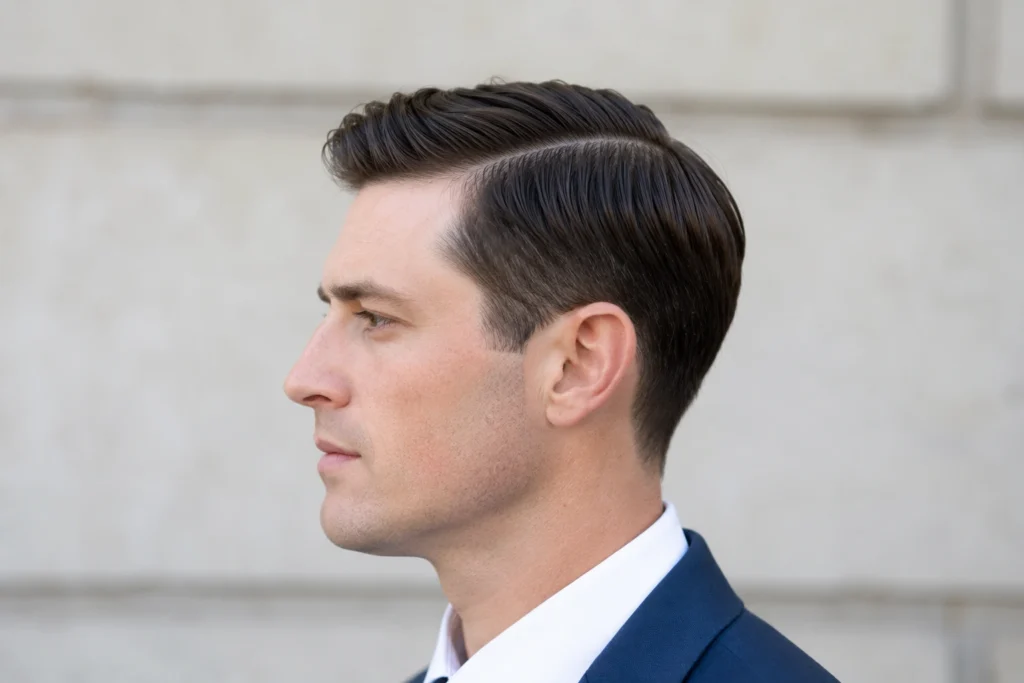
The classic comb over is clean and timeless. Hair on top is combed to one side part with a light pomade or styling cream for hold. The sides and back are either cut short or have a subtle taper. This comb over style suits most face shapes and hair types. It reads well in professional settings and requires minimal daily effort. A comb or brush and a small amount of product is all you need to keep it looking polished each morning.
Modern Comb Over
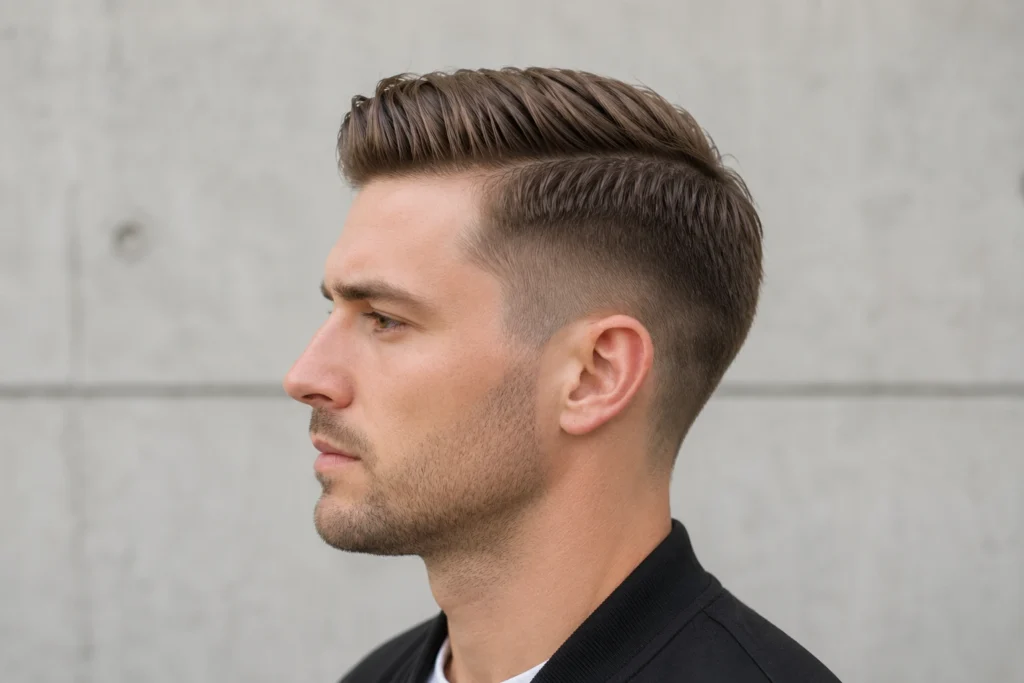
The modern comb over adds texture and movement to the traditional look. Instead of a flat, pressed comb-over, the hair on top carries some lift and natural texture. Barbers often pair this comb over haircut with a mid fade or taper fade on the sides and back for contrast. Styling products like clay or a light styling cream keep the style looking lived-in rather than stiff. The modern comb over works across hair types and ages well into casual and semi-formal settings.
Short Comb Over
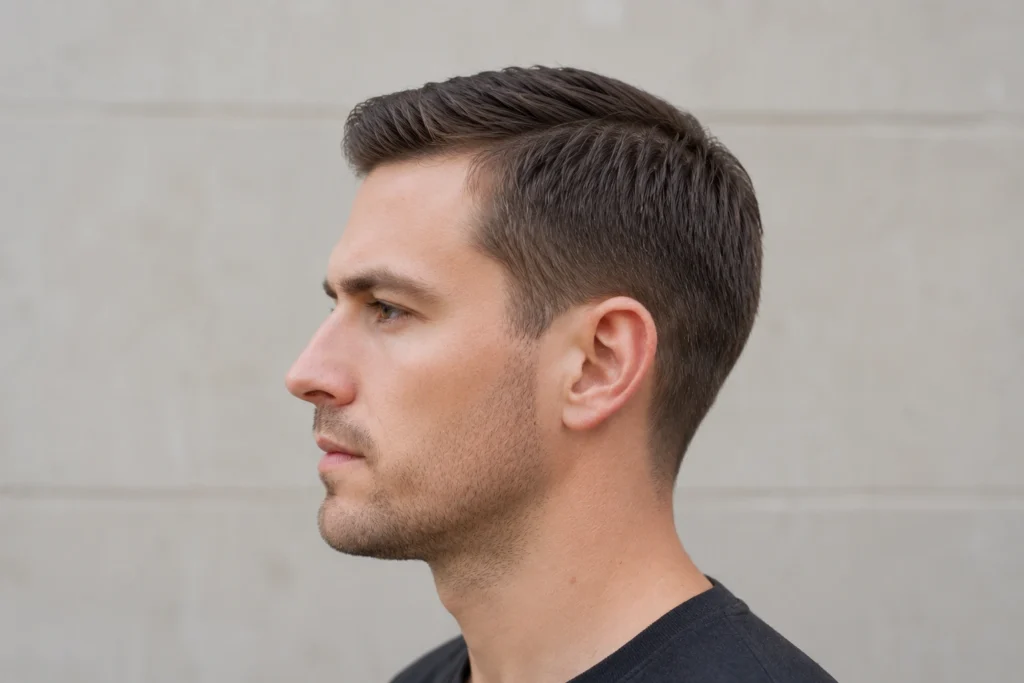
A short comb over keeps hair on top at a low length, usually one to two inches. The comb over hair is brushed or combed lightly to one side without much volume. This version is low effort and suits men who want a neat hairstyle without daily blow-dry routines. A low fade or taper on the sides and back keeps it sharp. For any hair type, the short comb over is one of the easiest comb over styles to maintain between barber visits.
Comb Over with Natural Hair
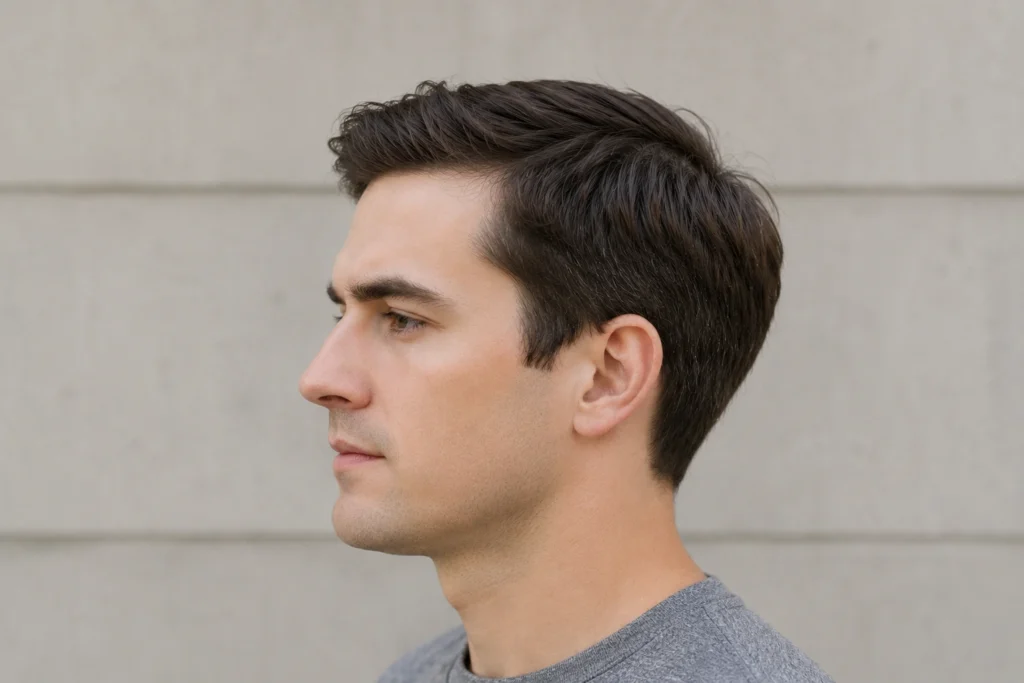
A comb over with natural hair lets the hair type do the work. Men with thick or coily hair can comb the hair to one side without flattening it. The natural texture adds body and presence to the comb over on top. A barber will shape the sides and back with a taper or soft fade on the sides to frame the top. Light styling products that define without stiffening work best here. This comb over hairstyle celebrates texture rather than taming it completely.
Comb Over with Long Hair
A comb over with long hair works when the hair on top is long enough to sweep past the part line and fall to the opposite side. Longer hair on top gives the style more movement and drama. Men with straight or wavy long hair can create a deep side part and let the hair flow naturally. A blow-dry with a round brush helps add volume at the root. Pairing this comb over style with tapered or faded sides keeps it from looking overgrown.
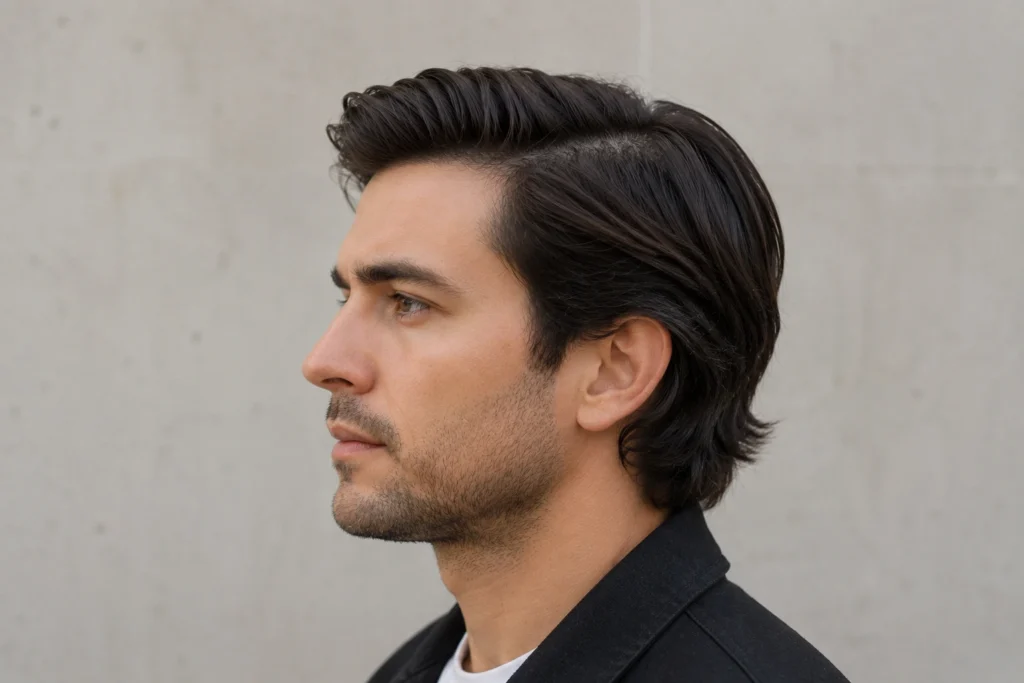
Wavy Hair Comb Over
Wavy hair types produce a relaxed and textured comb over look that works without much effort. The natural texture of the wave holds the comb over hair in place and adds visual interest to the part line. Men with wavy hair should use a sea salt spray or light hair product to define the wave without weighing it down. A mid fade or low fade on the sides and back keeps the overall hairstyle shaped and intentional. Let the wave move naturally rather than forcing it flat.
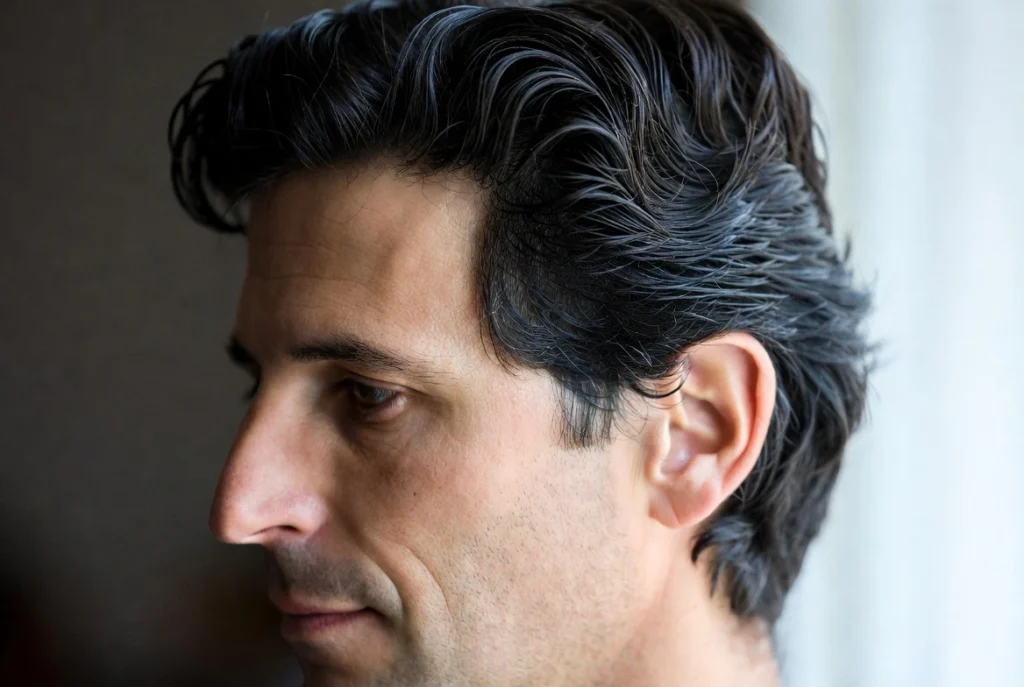
Textured Comb Over
The textured comb over is built for men who want a messy-yet-intentional style. Instead of combing everything flat, the comb over on top is worked through with fingers after applying a matte clay or paste. This breaks up the hair on top into pieces and gives it a natural, lived-in look. The textured comb over suits thick and medium hair types well. A fade comb on the sides and back adds contrast to the loose movement on top. It pairs easily with a beard for a full, modern look.
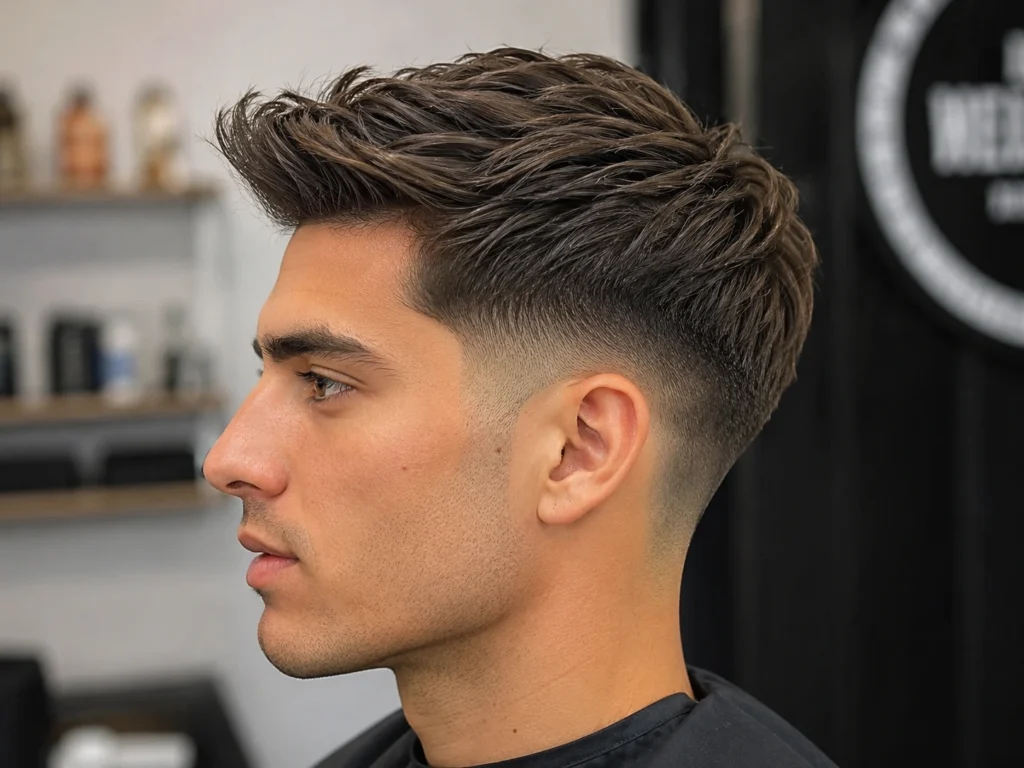
Comb Over Curly Hair
Curly hair types create one of the boldest versions of the comb over haircut. The curls on top bring natural volume and shape without any extra product. A barber will use scissors to remove weight from the sides and back and leave longer hair on top to fall to one side. Using a comb or wide-tooth pick, you can lift the curls and direct the comb over hair across the head. Light styling cream or a curl-defining product keeps the natural texture without frizz.
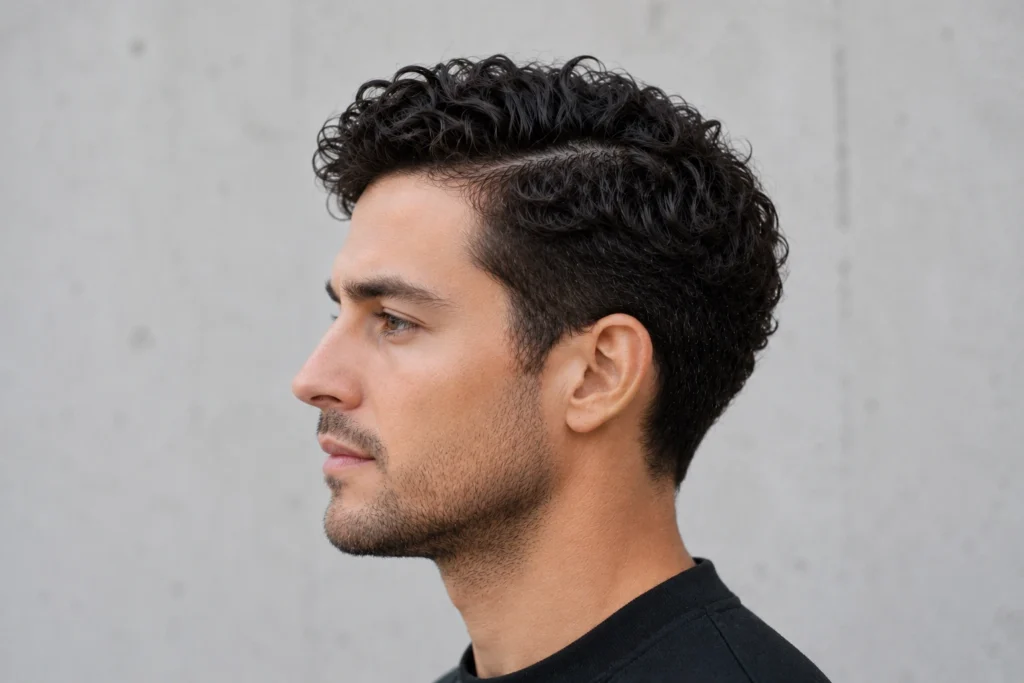
Best Comb Over Fade Haircuts for Men
Comb Over Fade — Overview
A comb over fade combines longer hair on top with tapered or faded sides that gradually get shorter toward the neck. The fade creates a sharp contrast that makes the comb over on top stand out. The fade comb over is one of the most popular haircut requests at any barbershop and comes in multiple levels to suit every face shape and hair type.
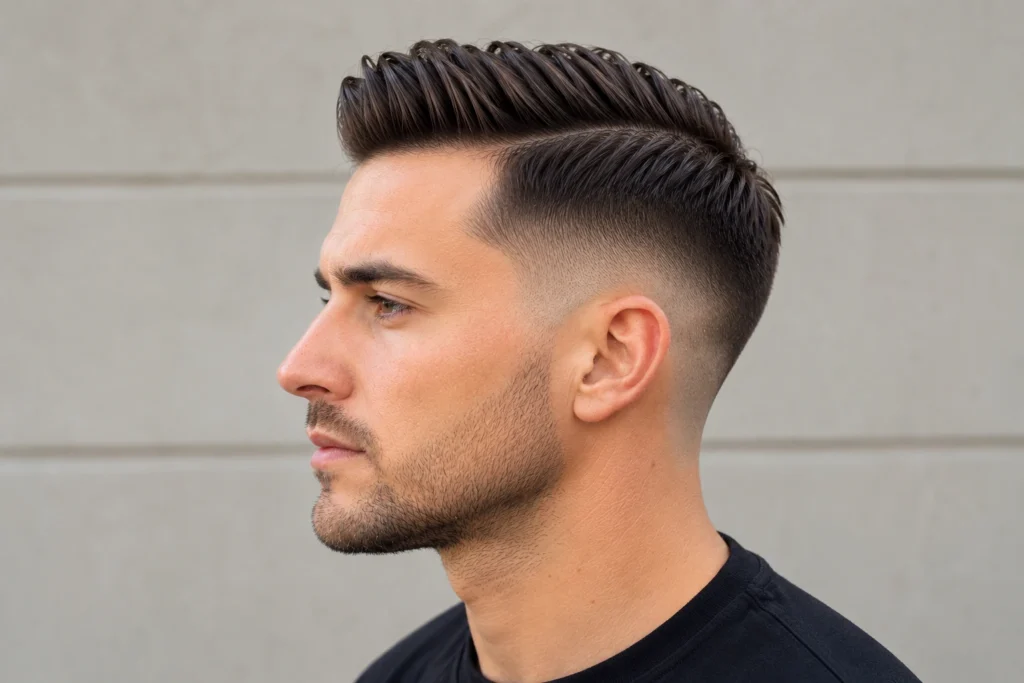
Comb Over with Low Fade
The comb over with low fade keeps the fade on the sides starting just above the ear. This creates a subtle shift from short sides and back to longer hair on top without a dramatic contrast. The comb over with low fade suits most face shapes and works well in professional environments. Men with a square face especially benefit from this comb over style as it softens the jawline rather than emphasizing it. A barber can blend this fade cleanly so the part line and top stand out naturally.
Comb Over Mid Fade
A mid fade comb over starts the fade on the sides around the mid-ear level. This sits between a low fade and high fade and works as a balanced option for most hair types. The mid fade adds visible contrast without being too sharp or too soft. It pairs well with a classic comb over or modern comb over on top, and works for both straight and wavy hair types. Tell your barber you want a mid fade comb over and show a reference photo for accuracy.
Comb Over High Fade
A comb over haircut with high fade starts the fade on the sides above the temples. The high fade creates a dramatic contrast between very short sides and back and longer hair on top. This version of the comb over fade looks sharp and bold. It suits oval and oblong face shapes well. Men who want a defined comb over look that stands out in a crowd often go for the high fade option. Styling products with medium hold keep the comb over hair in place throughout the day.
Comb Over Taper Fade
The comb over taper fade is a refined version of the standard comb over fade. A taper reduces hair length gradually from the top down rather than cutting sharply. The comb over taper fade keeps more length through the sides and back compared to a skin fade, giving a cleaner but softer look. It suits men who want a sharp comb over hairstyle without the high-contrast look of a skin fade. This is one of the best comb over options for men in professional settings.
Comb Over Skin Fade
A skin fade takes the sides and back down to the skin before gradually building back up toward the hair on top. When paired with a comb over, the contrast between bare skin and the longer hair on top is striking. The comb over skin fade is a bold men’s hairstyle that works best with a tight fade blended precisely by a skilled barber. It pairs well with a hard part or clean part line to sharpen the overall look. Regular touch-ups every two to three weeks keep the fade on the sides looking fresh.
Comb Over Drop Fade
The drop fade follows the natural curve of the head, dropping lower behind the ear before rising again. When paired with a comb over, it creates a dramatic arc on the sides and back. The comb over fade drop version adds a modern twist to the classic comb over and works especially well with thicker hair types. It looks sharp and deliberate, making the comb over haircut pop.
Comb Over Burst Fade
A burst fade radiates outward around the ear in a half-circle shape. When added to a comb over haircut, it creates a rounded, almost sculptural fade on the sides and back. The comb over on top benefits from this unique fade as the rounded shape draws attention upward. This comb over style suits men who want something different from a standard taper or straight fade on the sides.
Comb Over Low Taper
A low taper reduces hair length just above the ear without going all the way down to a fade. The comb over sits on top with a soft part line while the sides and back carry a gentle reduction in length. This comb over style is one of the most natural-looking options and suits men who want a clean haircut without the sharpness of a high fade or skin fade.
Mid Taper Comb Over
The mid taper comb over builds hair reduction from the mid-ear level down. It creates a balanced look between the hair on top and the sides and back without the drama of a high fade. The taper blends naturally into the neck, making this one of the cleanest and most versatile comb over fade options. Works well for all hair types and face shapes.
High Taper Comb Over
A high taper starts reducing hair length from above the temples and continues down to the neck. Paired with a comb over haircut, it creates a strong visual separation between the hair on top and sides and back. The high fade version cuts to the skin; the high taper keeps a bit of length through the sides. Both create a sharp comb over look that suits angular face shapes well.
More Comb Over Style Variations to Know
Comb Over Undercut
The comb over undercut keeps longer hair on top while cutting the sides and back short and disconnected rather than fading gradually. There is a clear line where the hair on top meets the shaved undercut sides. This creates a bold comb over hairstyle with strong contrast. Using a comb or comb or brush, you direct the top section over the undercut edge for a sharp finish.
Hard Part Comb Over Fade
A hard part comb over uses a razor to cut a defined part line directly into the scalp. The comb over fade sits on either side of this razor part, with hair on top swept to one side. The hard part makes the comb over look intentional and structured. Barbers often pair it with a mid fade or high fade on the sides and back to complete the sharp look.
Comb Over Side Part
The comb over side part is the most traditional form of this hairstyle. Hair on top is parted to one side with a comb and swept across. The side part can be natural or razor-sharp depending on the style you want. A clean side part with a low fade on the sides and back is one of the most timeless and universally flattering comb over hairstyles for men.
Comb Over Mullet
The comb over mullet mixes the swept-over top of a comb over with the longer back of a mullet. Hair on top is combed to one side while length at the back is left to grow. This bold comb over style has seen a strong comeback among younger men and works well with a fade on the sides. The contrast between the short sides and back fade and the longer rear makes the comb over mullet one of the most talked-about hairstyles today.
Comb Over Slick Back
The slick comb over combines sweeping the hair back and to one side at the same time. Damp hair is worked through with pomade and then combed back and slightly to one side. This creates a comb over hairstyle with a polished, formal feel. The slick comb over suits men with straight or lightly wavy hair types and works well for events, interviews, or formal settings.
Comb Over Pompadour
The comb over pompadour lifts hair on top upward at the front and then sweeps it to one side. This combines the volume of a pompadour with the directional sweep of a comb over. A strong-hold pomade or styling cream holds the shape. The blow-dry step is key here to add volume at the root before applying product. It suits oval and oblong face shapes well.
Comb Over Beard
A comb over haircut paired with a beard creates a full and balanced men’s hairstyle. The beard adds weight to the lower face shape while the comb over on top directs attention upward. Men with round or square faces benefit most from this combination. Ask your barber to balance the taper on the sides and back with the beard line so both elements work together rather than competing.
Comb Over Haircut for Old Man
For older men, the comb over haircut works best when it works with thinning hair rather than against it. A soft low fade or taper on the sides and back keeps things neat without over-exposing the scalp. Light styling cream or a volumizing hair product helps add volume to the comb over hair without looking forced. The classic comb over remains a dignified and flattering hairstyle for men at any age.
Comb Over vs Other Hairstyles — Key Differences
Comb Over vs Side Part
A comb over and a side part look similar but work differently. The side part creates a sharp, defined line where the hair on top separates before being combed to each side or all to one side. The comb over focuses on sweeping all the hair on top in one direction, usually covering more of the scalp or part line. The comb-over definition centres on directional coverage. The side part focuses on the line itself. Both are clean, polished hairstyles but the comb over offers more styling options for different hair types.
Comb Over vs Slick Back
A slick comb over goes sideways while a slick back goes straight toward the neck. The slick back uses more pomade and pulls hair on top directly backward with a comb. A comb over directs the hair sideways across the scalp. Both styles need damp hair and a strong-hold hair product to stay in place. The comb over hairstyle creates more coverage across the head, while the slick back exposes the hairline and scalp more directly.
How to Choose the Right Comb Over for You
By Face Shape
Your face shape plays a big role in which comb over style will look best. Men with a round face shape benefit from a comb over high fade or comb over taper fade to add height. Men with a square face look best with a comb over with low fade that softens the strong jaw. Oval faces are the most flexible face shape and suit almost any comb over fade level. Oblong faces should avoid adding too much height at the top. A good barber will guide you on which comb over haircut suits your face shape best once they see your bone structure in person.
By Hair Type
Your hair type shapes which comb over hairstyles are realistic for you. Straight hair types work well with a slick comb over or classic comb over as the hair lies flat naturally. Wavy hair types suit a textured comb over or modern comb over with natural texture shown. Curly hair types work best when the barber leaves enough hair on top for the curls to form a defined comb over on top. Fine hair types benefit from styling products that add volume, like a light styling cream or volumizing spray, rather than heavy pomade that weighs down already thin strands.
Lifestyle and Maintenance Level
How much time you spend on your hair each morning matters. A comb over fade with a skin fade or tight fade needs a barber touch-up every two to three weeks to stay sharp. A comb over taper fade or low fade lasts four to five weeks between cuts. If you want low daily effort, a short comb over with a taper only needs a comb or brush and a small amount of hair product each morning. High-volume styles like the comb over pompadour need a blow-dry and strong-hold styling cream daily.
How to Ask Your Barber for a Comb Over
Use Simple Terminology When Talking to Your Barber
When you sit in the chair, describe your comb over haircut in plain terms. Say something like: ‘I want a comb over with a mid fade on the sides and back, longer hair on top combed to the right.’ Mention the part line position, the fade level, and the hair on top length. If you want a hard part, say ‘razor part‘ so your barber knows to use a razor rather than a natural comb line. The clearer your description, the better the outcome.
Show a Photo Example of Your Comb Over Style
Bringing a photo is the single most effective way to ask your barber for the comb over style you want. A photo removes any confusion about the fade level, part line position, and length of hair on top. Save a few reference images for both the comb over on top and the sides and back separately so your barber can see both elements clearly.
Common Mistakes to Avoid at the Barbershop
Do not walk in and just say ‘comb over’ without detail. A comb over haircut means something different to every barber. Saying ‘short on the sides’ is vague. Instead, name the fade level — low fade, mid fade, or high fade. Avoid asking for a skin fade if you have never had one before without seeing how it looks on your face shape first. Always tell your barber your hair type and whether you have a thinning hair concern before the cut begins.
How to Style a Comb Over at Home
Wash and Prep Your Hair First
Start with clean hair. Wash using a shampoo suited to your hair type and condition to keep strands smooth. Styling on dirty hair means product buildup on top of buildup, which ruins natural texture and weighs down the comb over hair. Towel dry gently and work through damp hair before applying any styling products. Prep is the step most men skip and wonder why their comb over style falls flat by noon.
Apply a Pre-Styler for Hold
Before you comb your hair into position, apply a light styling cream or mousse through damp hair for base hold. This pre-styler keeps the comb over on top from falling flat once it dries. Work it evenly from root to tip so the hair on top has consistent grip. For a slick comb over, use a lightweight pomade at this stage. For a textured comb over, a cream or mousse works better than heavy pomade.
Combing It Over the Right Way
Once the pre-styler is in, take your comb and start at the part line you want. Comb the hair from the part over to the opposite side in smooth strokes. For a natural part line, follow where your hair falls naturally when wet. For a hard part, use the comb to mark the line before combing over. Using a comb with fine teeth gives a cleaner part. A comb or brush with wider spacing gives a softer, more textured result.
Blow-Dry for Volume and Shape
To add volume and set the shape, blow-dry your hair while holding the comb underneath the hair on top and lifting at the root. Direct the airflow in the same direction you want the comb over to fall. Use a medium heat setting to avoid drying out your hair type. The blow-dry step locks in the natural texture and gives the comb over hairstyle lift that holds through the day. Do not skip this step if you want lasting volume.
Finish with the Right Hair Product
Once the blow-dry is done, apply your finishing hair product over the comb over hair. For shine and hold, a pomade works well. For a matte finish, clay or paste is the best comb over product. Rub the styling products between your palms first, then work through the hair on top in the direction of the comb over. Avoid applying directly to the scalp as this causes buildup near the hairline.
How to Maintain a Comb Over Between Cuts
Regular Trims Keep the Fade Clean
The comb over fade loses its sharpness faster than the top does. A skin fade or tight fade needs a barber touch-up every two to three weeks. A taper fade or low fade can go four to five weeks. If you leave the fade on the sides too long without a trim, the contrast between the sides and back and hair on top fades out entirely, losing the comb over look you paid for.
Daily Hair Routine for a Sharp Comb Over
Each morning, start with either damp hair or lightly misted comb over hair to reactivate any product from the night before. Run a comb through the hair on top in the direction of your part. Apply a small amount of hair product if needed and comb your hair into place. A quick blow-dry for sixty seconds locks the style in. Wash your hair every two to three days to keep the scalp clean and the natural texture of your hair type healthy.
Why FadeTaperHaircut.com Is Your Best Comb Over Resource
Expert-Written Style Guides You Can Trust
At FadeTaperHaircut.com, every article on comb over hairstyles is written with real barbering knowledge behind it. Each comb over style guide breaks down the haircut clearly — the fade level, the part line options, and the right hair product to use. No fluff, no filler. Whether you are reading about a comb over taper fade or a hard part comb over, the advice comes from a genuine understanding of what works for different hair types and face shapes.
Covering Every Comb Over Men Ask About
From a short comb over for a kid to a comb over with long hair for men who want something bold, FadeTaperHaircut.com covers the full range of comb overs. The site answers every question men search for — from comb over bald options to styling tips for a textured comb over. Every men’s hairstyle category is covered, including styling options for different hair types, fade levels, and face shapes.
FAQs
What is a comb over haircut?
A comb over haircut is a men’s hairstyle where hair on top is combed to one side using a comb or comb or brush. The comb-over definition centres on directional coverage of the scalp from a clear part line. It often pairs with a fade or taper on the sides and back
What does a comb over look like?
A comb over has longer hair on top swept to one side with a defined part line. The sides and back are shorter, often with a fade or taper. The comb over look ranges from slick and formal to textured and casual depending on the styling products and technique used.
Is a comb over high maintenance?
It depends on the comb over style. A short comb over with a low fade needs a barber visit every four to five weeks and minimal daily effort. A slick comb over or comb over pompadour needs daily blow-dry and pomade application. A skin fade needs touch-ups every two to three weeks.
What face shape is best for a comb over?
Oval is the most flexible face shape for a comb over haircut. Round face shapes benefit from a high fade to add height. Square faces look best with a comb over with low fade to soften angles. Oblong face shapes should avoid adding too much volume at the top.
What is the difference between a comb over and a side part?
A side part splits the hair on top along a line, with hair combed to each side or mostly to one side. A comb over sweeps all hair on top fully in one direction across the scalp. The comb-over definition focuses on coverage; the side part focuses on the line.
Is a comb over good for thinning hair or a receding hairline?
Yes, when done correctly. A soft textured comb over with styling cream that adds volume works for thinning hair. Avoid a slick comb over as it flattens hair on top and exposes the scalp and hairline more. A barber experienced with thinning hair can shape the cut to minimise the appearance of hair loss.
How do I ask my barber for a comb over haircut?
Tell your barber the fade level — low fade, mid fade, or high fade. Say how long you want the hair on top and which direction you want the comb over to fall. Mention whether you want a hard part or natural part line. Showing a photo is the clearest way to ask your barber for exactly the right result.
Can I get a comb over with curly or wavy hair?
Yes. A comb over with natural hair works for both curly and wavy hair types. Let your barber keep enough hair on top for the curls or waves to form. Using a comb or wide-tooth pick, direct the comb over hair to one side. Light styling products that define natural texture work better than heavy pomade for these hair types.
What are the best products for a comb over?
The best comb over styling products depend on your hair type and desired finish. Pomade works for a shiny, slick comb over style. Clay gives matte hold for a textured comb over. Styling cream works for volume and natural movement. Sea salt spray suits wavy hair types. Choose based on hold level and whether you want shine or a matte look.
Is the comb over still in style?
Yes. The comb over haircut remains one of the most requested hairstyles at barbershops worldwide. Modern versions like the comb over taper fade, comb over undercut, and comb over mullet keep the hairstyle current. The comb over fade in particular has been consistently popular and shows no sign of slowing down.
Ready to Find Your Best Comb Over Haircut?
The comb over is not just a haircut — it is a style statement that fits any age, face shape, and hair type. From a comb over with low fade to a comb over taper fade or even a bold comb over mullet, there is a version of this comb over hairstyle that works for you. Visit FadeTaperHaircut.com to read more in-depth styling tips, see the latest comb over hairstyles, and find exactly what to tell your barber on your next visit.